
Do you ever wonder how the burger you received at the drive-through doesn’t look nearly as mouthwatering as the burger seen on TV commercials? It’s all thanks to the magic of food styling.
Food looks delectable in photos thanks to the artistry a food stylist brings to the table combined with the technical skills of a food photographer. A food stylist prepares, arranges, and zhuzhes (and zhuzhes and zhuzhes) the food so it looks its best on camera. Every choice (from the garnishes to the flavor cues shown) supports the client's creative direction and their brand.
On a packaging shoot, that might mean showing off the crunchy texture of a snack. On a recipe shoot, it means making the finished dish look like something equally approachable for a home cook and yummy enough that you want to make it tonight!
As a Minneapolis-based food photographer, food styling is a major part of what makes a food photo come to life (and yes, we use real food.) I'll walk you through what a food stylist does, who hires one, what affects the cost, and how to plan and prep for a shoot with a stylist so the day goes smoothly.
What Does a Food Stylist Do?
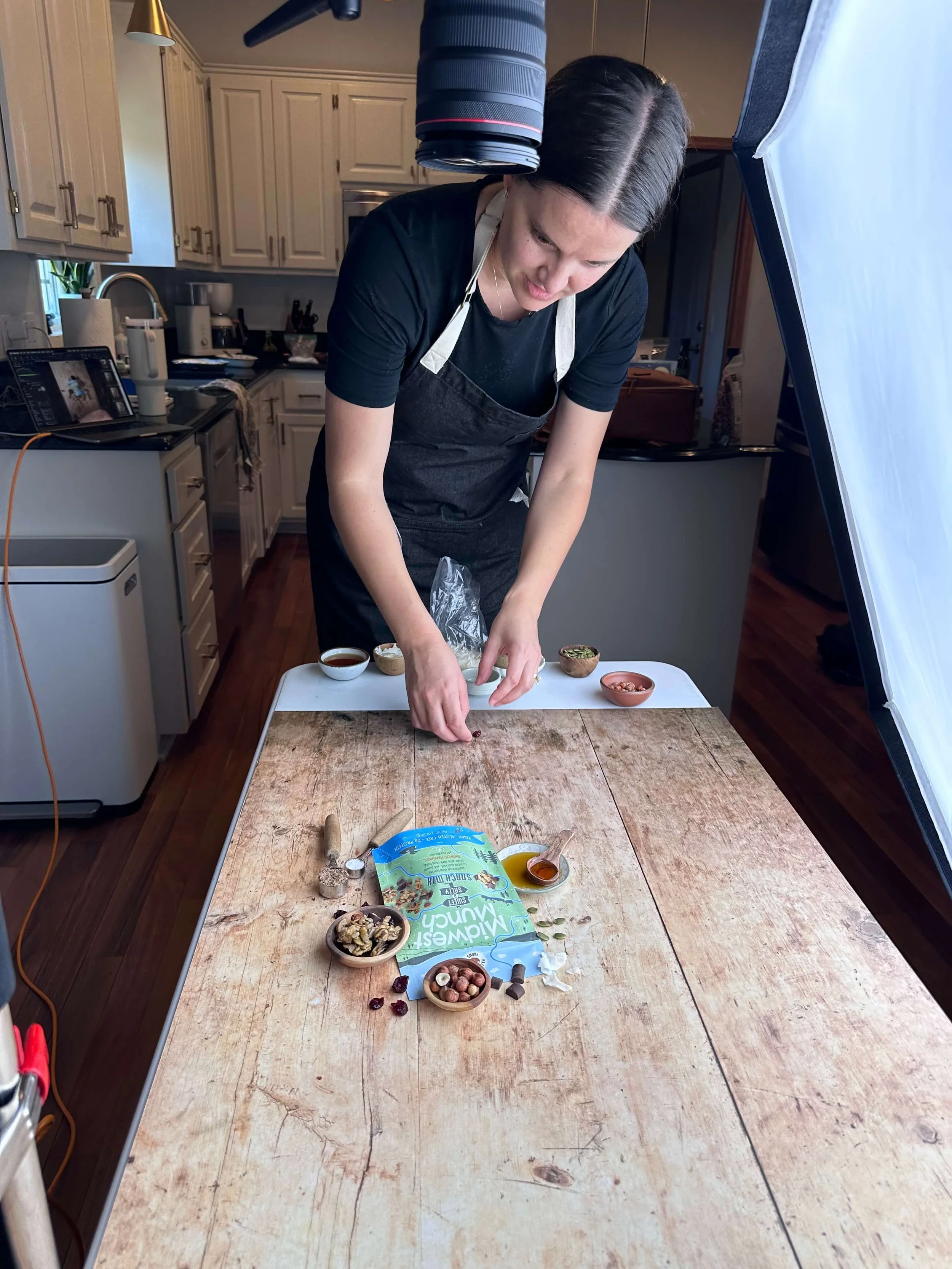
A food stylist shops for ingredients, prepares the food, and plates the food on set, so it looks appealing for the camera. Depending on the size of the shoot, food stylists may also lead the prop styling or, for larger projects, these can be two different roles.
The size of the team on set very much depends on the scope of the project, budget, and goals. One thing that makes Studio Moyna unique is that, for larger projects, I do both the food photography and styling. For larger projects with a fast-moving shot list, or shoots where the food needs to be served fresh, we bring in food stylists from our team. This decision is made between the client and photographer when discussing scope at the start of the project, with the end goal of making sure the food looks its best and the shoot flows efficiently!
Roles vary quite a bit, as the food photographer controls the lighting, angles, set, and camera settings, while the stylist is in charge of the star of the show—the food! Even the best lighting can’t fix wilted garnish or sauce that’s drying out, which is why styling is essential to food photo shoots with a long, fast-moving shot list. Your food might taste amazing, but the camera only sees what’s on the plate, so all that flavor has to come through visually.
Is it true that all the food in photos is fake?
The most common question I hear from people. This is a common misconception stemming from the early days of food photography when food sat under hot and harsh studio lights for hours at a time. Glue was used for milk and mashed potatoes for ice cream.
In today’s ads, truth in advertising laws, which are enforced by regulatory bodies like the Federal Trade Commission, keep marketers and photographers honest. In short, the food being sold must be the food shown, meaning the food in commercials must be real food.
Given that food stylists often employ tricks and hacks to help the food look its best (e.g., shining a pizza crust with oil or using makeup sponges to prop up burger layers), the food is always real! At Studio Moyna, we love keeping the scene both as realistic and good-looking as possible. After all, in this age of AI, people are drawn to reality more than ever, an added bonus for keeping it real!
Here's what I do to get food ready for a shoot:
Grocery, prop, and ingredient shop.
A huge part of food styling is being prepared for shoot days with any garnish, side dish, or ingredient you might need. We always buy extra in case something is bruised, blemished, or simply not up to camera-ready standards.
Additionally, for items that must be made in advance, like baked goods, you want to have a few ready to go for shoot day, so you can pick the prettiest one and have backup options if something falls apart (like a cake slice when you cut into it, for example).
As for props, sometimes prop stylists are hired to manage this part of the production, but sometimes food stylists fill this role! If props are within the scope, prop shopping to find plates, bowls, cutlery, and more to match the creative brief starts weeks in advance, up to the day before the shoot. Again, options are key, and having your own prop collection as a starting point is helpful too.
Stock your food styling kit.
A stylist's kit is their bread and butter. Mine is in a tool bag, which may look a bit funny, but makes for a very functional kit with lots of pockets for all styling tools.
Favorites include:
Lint-free Q-tips for cleaning off plate edges
Sticky tack for holding spoons on the edge of soup bowls
Paintbrushes for brushing on sauces, oils, and more
Before heading to a shoot, I make sure my kit is stocked with any items we might need. Again, being prepared and ready for anything is the name of the game as a food stylist!
Prep each dish so you can be one step ahead on shoot day.
Food styling prep days involve prepping items in advance that don’t need to be served fresh or can be easily reheated on shoot day (think baked goods, sauces, or garnishes), prepping produce, and pulling together any and all items needed for the shoot day.
A stylist’s number one goal is to be prepared to problem-solve any food-related problems that pop up on shoot day and be on time with the production schedule. No one wants to be waiting on the stylist (or shoot cold food), so anything you can prep in advance should be!
On shoot day, prepare garnishes, ingredients, and finishing touches.
All these small details hint at what's in the dish (a few whole spices or a sprinkle of fresh herbs can tell the viewer a lot about flavor before they ever take a bite). The client might change their mind at the last minute about what looks best, so having options prepared for each dish is helpful! It’s all about being flexible and nimble.
Keep everything consistent across a series.
Six flavors of one product or ten recipes for one campaign should look like they belong together. The creative direction will help guide this.
Make adjustments on set.
I have to stay flexible as I move through different angles and compositions, since a dish that looks perfect from overhead often needs a little tweaking for a side shot.
My Registered Dietitian background also shapes how I approach shoot days. I think about the target consumer, what prompts their buying decisions, and how the food should make them feel (and with health and wellness brands, I understand the nutrition story they're trying to tell their customers).
With any brand, the goal is to help the product being sold draw the image viewer’s eye first, so a product-first mindset is key when styling for commercial photography shoots (editorial shoots are a different story).
Who Hires a Food Stylist?
Any business that needs professional food imagery for marketing, advertising, publishing, or product promotion can benefit from hiring a food stylist.
Here are the types of clients I work with most:
Consumer packaged goods (CPG) brands hire a stylist to highlight a product's texture, ingredients, serving suggestions, and/or versatility. For Route to India, I styled their Yoga Pops snacks with the spices and ingredients behind each flavor.
Grocery stores and food co-ops need ingredients and finished dishes that make shoppers hungry and excited to shop and cook. I shoot content for Lakewinds Co-op's quarterly newsletter, most recently a fall shoot at Studio 8900 in Hopkins with their talented team.
Marketing and advertising agencies bring a creative brief, and we turn it into camera-ready food that fits their client's brand. We worked alongside local Minneapolis-based Latitude to capture high-end imagery for a website redesign and new trade show booth design for Dessert Holdings. Studio Moyna managed food styling, prop styling, and the food photography for this large-scale production.
Commodity boards and agricultural organizations want to show off a specific ingredient in fresh, craveable ways. I've photographed recipes for the National Pork Board with a fun, funky creative art direction, and for the National Watermelon Board I styled and photographed recipes created by a fellow Registered Dietitian.
Cookbook publishers, food writers, and food bloggers need photos that show readers exactly what their finished dish should look like, like my work does in the Appetite for Change cookbook.
These businesses use their food photos in a wide variety of mediums, including:
Packaging and product launches
Websites and social media channels
Digital and print ads
Seasonal campaigns and weekly promotions
Recipe content and cookbooks
Small, up-and-coming brands rely on great product imagery just as much as big agencies do. Some of my favorite shoots are with medium-sized food brands that are still developing their brand identity and creative direction, especially when the product can be used (and photographed!) in a wide variety of applications. The level of styling needed depends on the brand’s goals, visual expectations, and the role the images will play.
Food Photographer and Food Stylist: One Person or Two?
In short, it all depends on the size of the production and timing limitations. A lot of shots photographed very quickly require a larger team (and a separate food stylist and sometimes even an assistant stylist as well). This helps the production flow faster, as each creative is focused on their unique role and responsibilities.
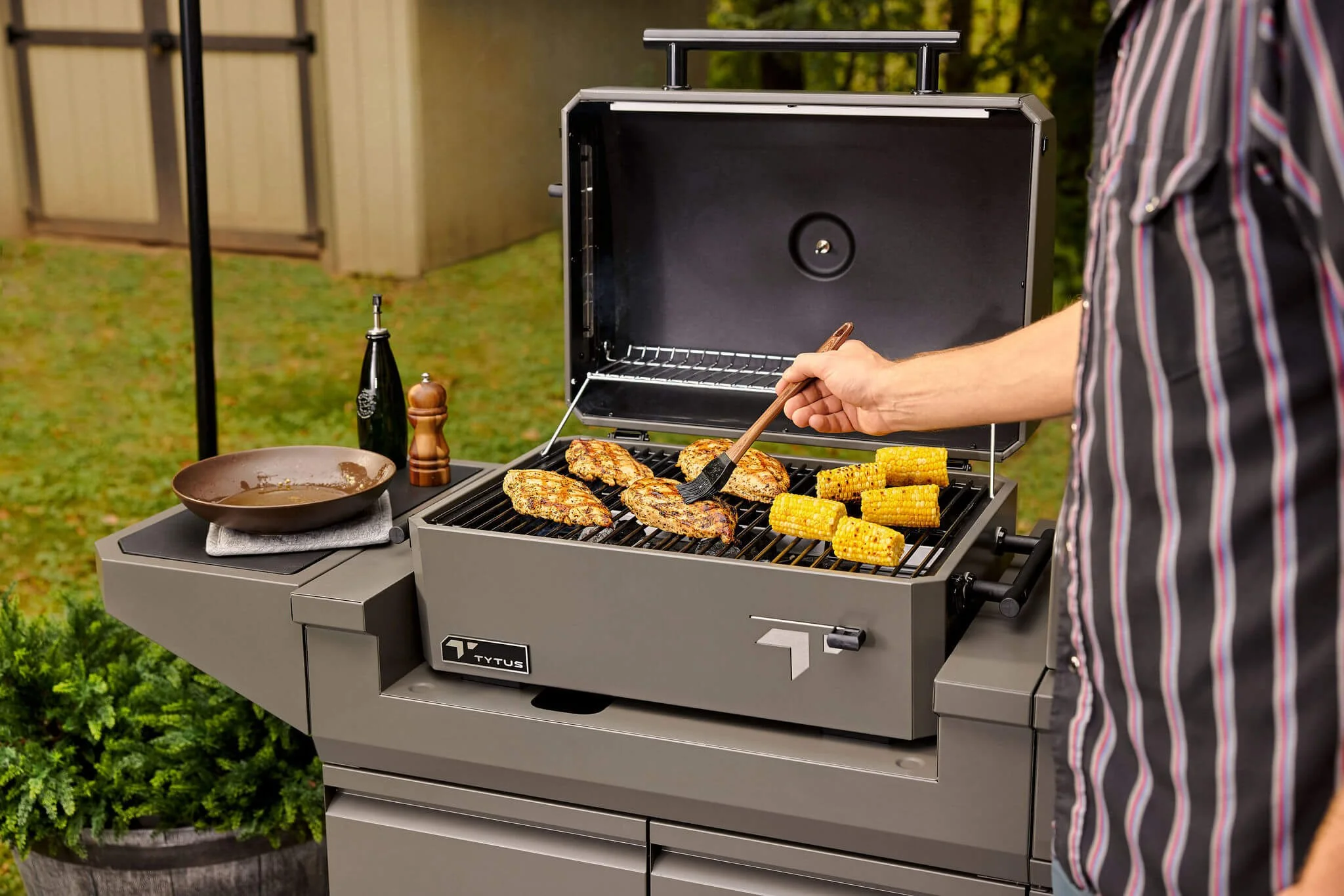
For example, during this 3-day photoshoot with TYTUS Grills, the team included:
A full-service visual agency (Capture Film Co.) with a photographer, digitech, and lighting assistant
A few professional models
A hair and makeup artist
A prop stylist
Two food stylists
This kept production days flowing smoothly and the food in the photos looking its best.
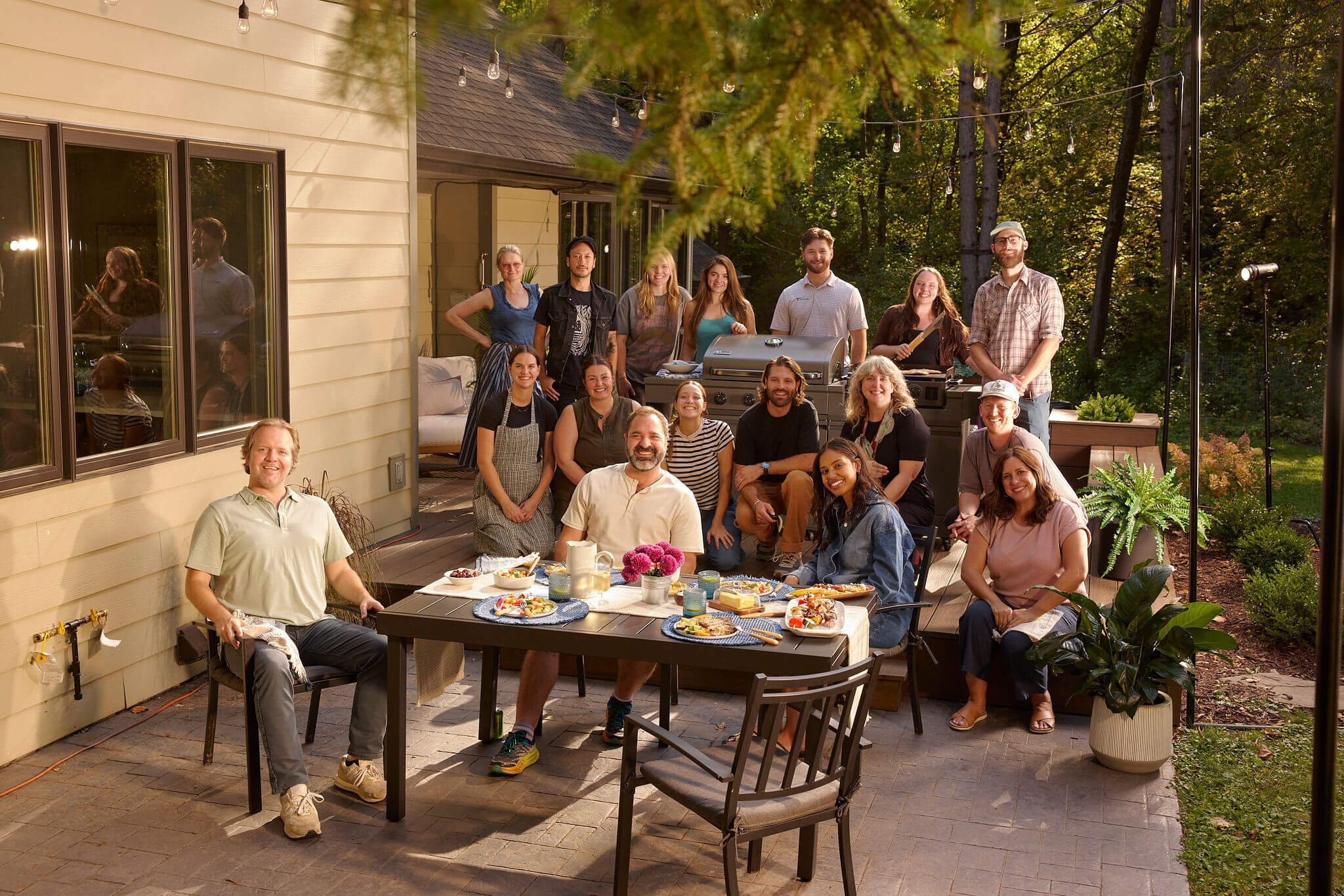
To reiterate, a food photographer focuses on lighting, composition, camera settings, and framing, while a food stylist focuses on everything food-related!
Large productions often hire each role separately, but one thing that sets Studio Moyna is that for smaller productions, I can handle both the styling and photography. Or for medium-sized shoots, I have built relationships with local food stylists who I work closely with during shoots.
We are flexible and able to meet the needs of the client, wherever their shoot budget falls.
Because I can style and light the food at the same time, I instantly notice when a sauce needs refreshing, or quickly reposition a garnish when the camera angle changes. It also means you have one creative to brief and one point of contact from our first call through final delivery (I often edit the photos too!), which streamlines the entire creative process.
You can see how that plays out across different projects in my portfolio.
What Affects the Cost of a Food Styling Shoot?
I know the budget is a big part of planning a shoot! Here are the main things that shape food styling costs:
Who styles your shoot (me, a stylist I work with, or a lead stylist plus an assistant)
Number of dishes or products
Recipe and styling complexity
Ingredients and props
Since I usually style and photograph shoots together, my estimates cover the whole shoot. Here’s a closer look at everything that shapes the final number.
Food Styling Cost Factors
These factors shape what happens in front of the camera, from who’s doing the styling to how much food we’re prepping. They usually have the biggest impact on how long a shoot takes.
Who Styles Your Shoot
Food styling costs depend on your project’s scope, complexity, and production needs, so it’s almost never a flat rate. When we chat about your project, I’ll recommend one of three setups:
I can style and photograph your product myself
We can bring in a stylist I work with often (common for recipe shoots, since cooking and styling at the same time gets complex)
We can bring in a lead stylist and an assistant so the shoot flows even more smoothly.
Your estimate will reflect whichever setup fits your project best.
Number of Dishes or Products
One hero dish has very different prep needs than a table scene with a dozen dishes. Each extra dish adds grocery shopping, ingredient prep, styling, and on-set coordination time.
Recipe and Styling Complexity
Some foods are easygoing on camera, while others need precise assembly or constant attention to keep looking fresh under the lights (e.g., ice cream). Detailed creative briefs, specialty ingredients, temperature-sensitive dishes, and multiple setups all add production time.
Ingredients, Props, and Production Logistics
Ingredient sourcing, specialty serving pieces, surfaces, equipment, and studio or location needs factor into the budget. When you request a quote, please share:
Your goals for the project
How and where you plan to use the images
Your ideal deliverables
Any creative direction or branding notes you have
We’ll also chat more about shoot specifics and logistics on our initial discovery call, so I can send you the most accurate estimate possible. Don’t feel like you need to have all the answers up front. I’m here to help guide and support you, as I’ve been a part of many productions.
Photography and Production Cost Factors
Once the food is ready, these factors cover everything around it, like where your photos will be used, the formats you need, and where we shoot. They’re the details I ask about on our first call, so your estimate fits your project.
Intended Use of the Images
Photos for packaging, a national ad, a magazine feature, and an Instagram post all come with different expectations. One of the first things I ask is where the photos will live, because that shapes the creative direction and the deliverables.
Image Orientation and Deliverables
I ask early on whether you need horizontal, vertical, or square images (or all three!). A dish styled for a wide website banner gets arranged differently than one styled for a vertical social post, so multiple formats may mean extra styling adjustments.
Studio, Location, and Production Logistics
Where we shoot shapes the budget, too. Product shoots can often happen remotely if you ship your products to me, while other projects need a rented studio space (like Studio 8900 in Hopkins, where I shot with Lakewinds Co-op) or an on-site location, which adds travel and setup time. Equipment needs and crew size also factor in.
What to Share When You Request a Quote
When you request a quote, it helps to share:
Your goals for the project
How and where you plan to use the images
Your ideal deliverables
Any creative direction or branding notes you have
We’ll chat more about shoot specifics and logistics on our discovery call, so I can send you the most accurate estimate possible. Don’t worry about having all the answers up front. I’ve been part of a lot of productions, and I’m here to help guide you through it.
How to Plan a Food Styling and Photography Shoot
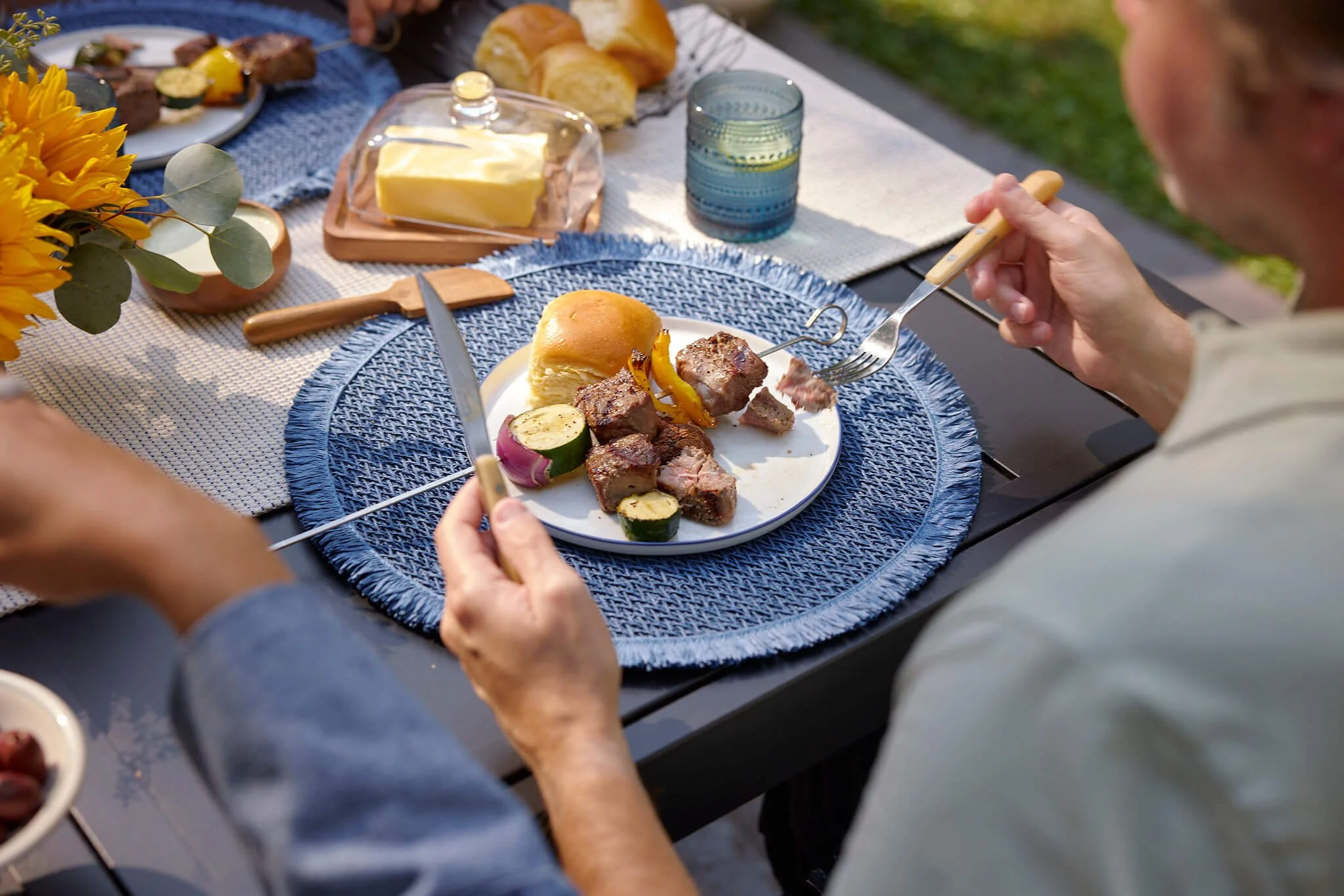
A little planning up front makes shoot day go as smooth as butter (plus it’s less stressful for everyone on set!). Most of my projects follow the same five steps, and knowing them ahead of time helps you gather the right info, make decisions faster, and get the photos you’ve always dreamed of! Here’s my process from intro call to shoot day.
1. Define the shoot goals and day-of logistics.
We start with a quick discovery call to talk through your marketing goals, content needs, shoot logistics, project deadlines, and how many products and/or images you'd like captured during the shoot. I'll ask how you plan on using the images too because that often shapes the visual direction and shot list length as well.
2. Set the creative direction.
You'll share brand guidelines, campaign concepts, reference images, and/or examples of the vibe you're going for. Mood boards or Pinterest boards work great here! The more reference images I can look at, the better! We'll discuss how the photos should feel, then align the food, props, colors, and surfaces with your branding and the goal vibe. Clear, straightforward feedback here makes everything that follows so much easier!
All clients who work with Studio Moyna receive complimentary access to our backdrops and props collection; a nice perk! Additional or specialty props purchased for the project are charged back to the client; however, you get to keep them as well!
Once we nail down the scope and creative direction, I’ll send over an estimate via email, and we will discuss it from there!
3. Finalize the shot list.
Once the estimate is approved, the contract is signed, and the retainer is paid, I’ll build out a shot list, ordering the shots in the most efficient and logical fashion to help us make the most of the shoot day and keep everyone on the team on the same page. I’ll list out every dish or product and include shot-specific details such as the angle, orientation, food styling details, and reference images. Clients will sign off on this, as the master shot list is what everyone on the team will reference throughout the shoot.
4. Coordinate ingredients, products, and props.
Now our team begins working on the behind-the-scenes magic, gathering up everything we need for shoot day, including props, backdrops, ingredients, and more. Together we’ll decide who brings the product, and I’ll confirm quantities and important logistics before the shoot day as well.
5. Confirm the production details.
Before the big day, we’ll confirm final details including:
Location
Schedule
Deliverables
Timeline
Who is responsible for what
I'll also ask who will be on set and who signs off on creative decisions, and we'll confirm image formats and any deadlines tied to a launch or campaign. We’ll also make sure we have a confirmed plan for meals on set and knowledge of any dietary restrictions or food allergies, as no one should go hungry on a food photography set.
Then the fun really begins!
What Should You Bring or Provide for a Food Styling Shoot?
Whew, that’s a lot of information! Most of the heavy lifting happens on my end, so your to-do list is pretty short. Having this info ready early on (even before our first call, if you can) helps me put together an accurate estimate, plan the shot list, and plan for shoot day aligned with our exact needs.
Here’s what to have ready (if possible! Remember, I’m also here to help!):
Your creative brief and brand guidelines
Reference images or a mood or Pinterest board
Products, packaging, or recipe specifications
Any ingredient or sourcing requirements
Image usage details and campaign deadlines
Contact info for key decision-makers and approvers
If you're outside the Twin Cities and we're shooting your products remotely, you'll ship the product to me ahead of time. We'll then either schedule a shoot day where you can view and rate the images remotely on your computer, or I will share the photos digitally after shoot day for final approval. It’s up to each client and how much or how little they want to be involved during the shoot!
What Food Styling Looks Like on a Real Shoot
One of my favorite examples of styling with a purpose is my shoot for Route to India, a Minneapolis brand that makes Yoga Pops (flavored popped water lily seeds).
Ahead of their launch into Target, they needed new packaging that showed shoppers the health benefits and what the snack inside looks like at a glance. I photographed all six flavors for the packaging itself, and the team at Brandparents designed the bags using these shots. The new packaging provided consumers with a quick understanding of what the product inside the packaging looked like while showing off each flavor's light and crunchy texture and perfectly spiced taste.
For this project, I also styled four of the flavors (Tandoori Masala, Chocolate Chakra, Truffle Tantra, and Curry Dusted) alongside the ingredients that make up each one. The idea was that, thanks to the power of flavor cues, you can quickly get an idea of how each flavor will taste before even buying a bag!
Working With a Twin Cities Food Stylist
Food styling is a great add-on for food and drink brands that want their product to look as good as it tastes. Food stylists help food look its best, make shoot days run more efficiently, and provide culinary expertise and problem-solving abilities on set, often giving the photographer a chance to hone in further on their craft. I love working both food styling and photographing brands across the Twin Cities and the Midwest, from local co-ops and restaurants to growing CPG brands and national commodity boards.
If you are preparing for a product launch, revamping your website, or preparing for a fast-approaching seasonal campaign, I'd love to chat about how I can support your team’s marketing efforts with high-end, custom imagery! Send me a note via my contact page, and we'll set up a quick call to talk through your vision. You can also read more about the services our team offers on my services page.
Frequently Asked Questions About Food Styling
Is the food in food photography real?
Yes! It’s a common misconception that the food used in food photography is fake, but it’s actually required by law that the food companies are selling (therefore what we’re photographing) is accurately portrayed in photos to match what consumers buy in store. That being said, food stylists have lots of tricks up their sleeve to help the food look its best in front of the camera.
How far ahead should I book a food stylist?
It depends on the size of the production, the number of dishes on the shot list, ingredient and prop sourcing, shoot location, and your project deadlines. Reach out as early as you can, especially if your campaign is tied to a launch date or has a lot of moving pieces.
Do you work with brands outside the Twin Cities?
Yes! I work with brands across Minnesota, Iowa, South Dakota, North Dakota, and Wisconsin. Most shoots are easy to do remotely, so if your brand is outside the Twin Cities, you can ship your product to me and join the shoot remotely. I promise, it’s still a lot of fun!
Do I need a food stylist for packaging or product photography?
A food stylist is especially helpful when the shoot requires us to photograph prepared food, serving suggestions, or a finished recipe. For simple product-only images like those shown on a white sweep on e-commerce sites, a food stylist isn’t needed, as we’re not showing any prepared food in the scene.
Meet The Photographer
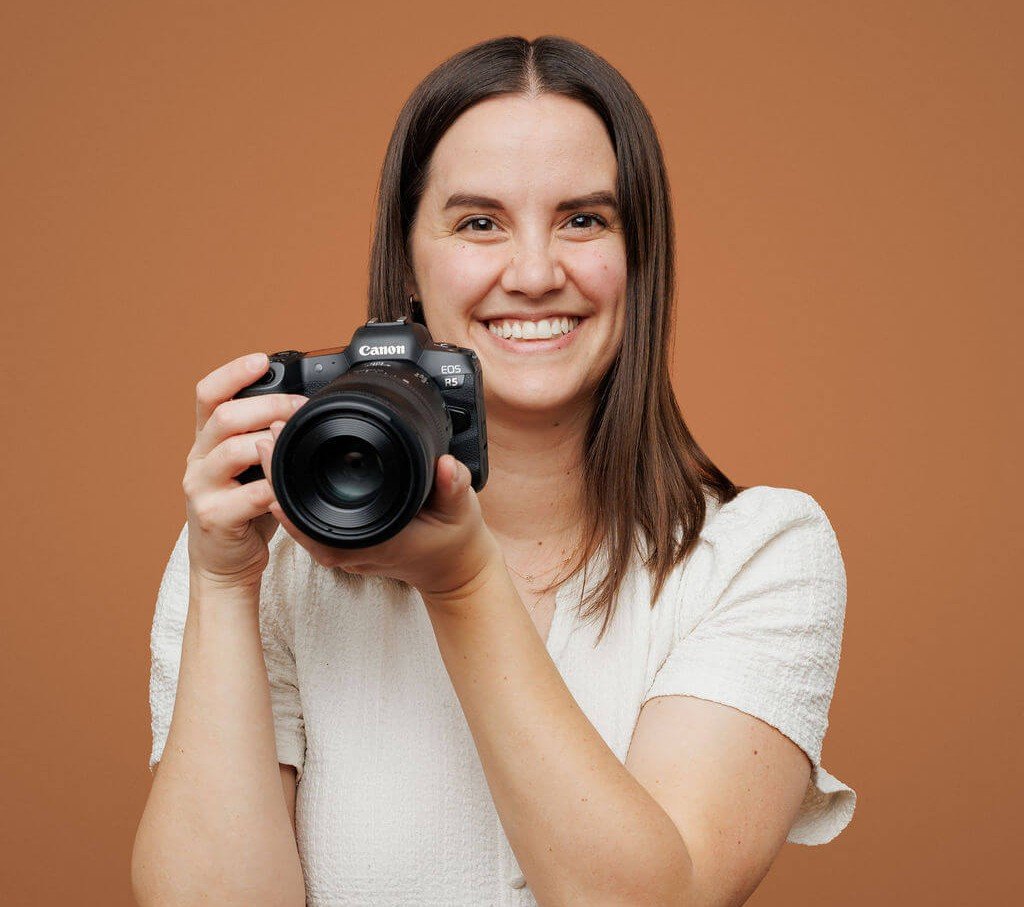
Hi, I'm Ashley! I'm the food photographer behind the lens at Studio Moyna, shooting for food and drink brands across the Twin Cities and the Midwest. I'm also a Registered Dietitian, so I can talk nutrition and ingredients as easily as lighting and composition. From local co-ops to national commodity boards, I love helping brands create drool-worthy food photos they can confidently use again and again to crush their marketing goals and convert followers into lifelong fans!